
Helpful Information for Referral Partners and Providers
Frequently Asked Questions For Providers and Referral Partners in Lakewood, Denver and Colorado Springs, CO
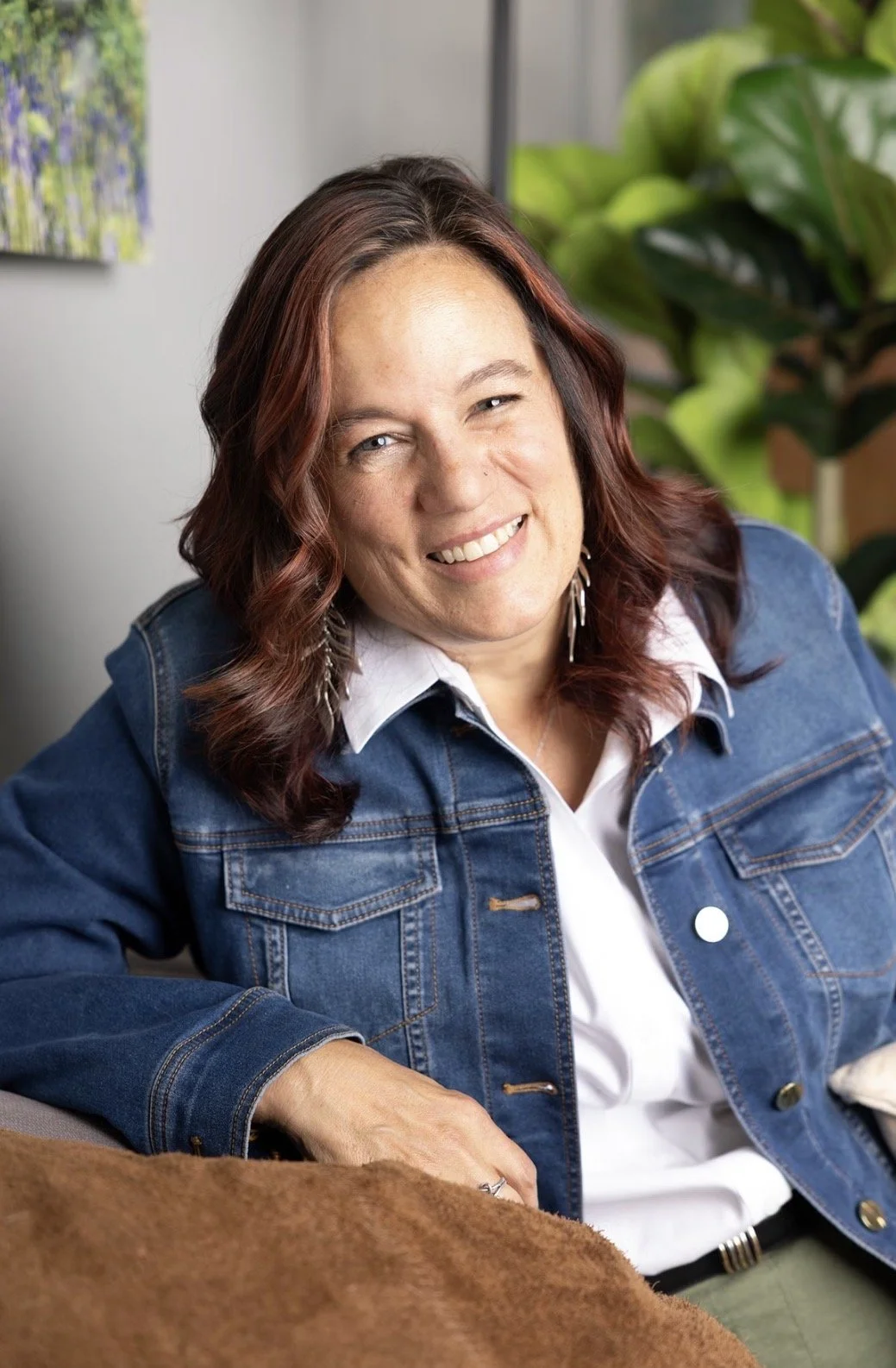
Thank you for considering Crisp Counseling & Consulting - PLLC as a referral resource for your patients. Below is background on my training, the populations I work well with, and how to make a referral. If you have a question this page doesn't answer, I'm glad to talk directly — please reach out through the contact form below.
Q: What is AEDP, in clinical terms?
A: Accelerated Experiential Dynamic Psychotherapy (AEDP) is an attachment-based, relational, and experiential model of psychotherapy developed by Diana Fosha. It integrates attachment theory, affective neuroscience, and body-focused work, and emphasizes active therapeutic engagement, in-the-moment tracking of affect, and use of the therapeutic relationship itself as a corrective emotional experience. It's often grouped with other experiential/somatic trauma therapies (e.g., EMDR, Somatic Experiencing), but is distinguished by its explicit focus on transformance — the patient's innate drive toward growth and healing — and on dyadic affect regulation.
Q: What patient presentations is AEDP particularly well-suited for?
A: In my practice, AEDP is especially effective for complex or developmental trauma; anxiety and depression rooted in relational or attachment patterns; grief and loss; perinatal mood and anxiety concerns; difficulty with emotional regulation or a pattern of intellectualizing and avoiding feeling states; and patients who have engaged in prior therapy (including CBT) with partial or plateaued results. It's also frequently used alongside ketamine-assisted psychotherapy and other psychedelic integration work, where safely processing intense affective material is central to outcomes.
Q: What are your credentials and training?
A: I'm Melissa Crisp, LCSW — an AEDP Certified Therapist and AEDP Supervisor-in-Training (currently supervised by Jen Edlin and Annika Medbo), with over two decades of clinical practice. My training also integrates EMDR, somatic, contemplative, and spiritual frameworks. Alongside individual therapy, I run experiential AEDP supervision groups for licensed and pre-licensed clinicians. I received my masters of social work from University of Houston’s Graduate College of Social Work in 1996.
Q: What other services does your practice offer, beyond individual AEDP therapy?
A: Alongside individual AEDP therapy, I offer ketamine and psychedelic integration therapy, EMDR, short-term individual therapy, and perinatal counseling. That makes the practice a useful referral point both for patients undergoing ketamine-assisted treatment elsewhere who need integration support, and for perinatal patients whose OB/GYN or midwifery team wants a therapy partner.
Q: Do you offer any adjunct nervous-system regulation tools alongside AEDP?
A: Yes. I'm certified in both the Safe and Sound Protocol (SSP) and the Rest and Restore Protocol (RRP), Polyvagal Theory–based listening interventions developed by Dr. Stephen Porges. These use specially filtered acoustic stimuli to support autonomic regulation, which can help prepare or support patients for the deeper affective work AEDP involves — particularly relevant for patients presenting with chronic hyperarousal, dissociation, or difficulty tolerating affect. I introduce SSP/RRP in-office and support the patient in transitioning to independent, at-home use once they're ready, so it's worth noting as an adjunct consideration for patients whose nervous system dysregulation is a barrier to engaging in talk-based or standard experiential therapy.
Q: How do I refer a patient?
A: The easiest way is to have your patient complete the confidential contact form at melissa-crisp.com/contact and note that they're being referred by your practice. I follow up with them directly to schedule an initial consultation. If you'd like to speak with me first — to check fit for a complex case, for example — you're welcome to reach out through that same form and request a call.
Q: Do you coordinate care with referring providers?
A: Yes. With the patient's written authorization (a signed release of information), I'm glad to communicate with a referring physician, prescriber, or other treatment team member about relevant treatment updates. I find coordinated care especially important for patients who are also managing medication, ketamine-assisted treatment, eating disorders, or perinatal medical care.
Q: What are your office locations and availability?
A: I see clients in Lakewood (12600 West Colfax Avenue, Suite A-100) on Mondays and Thursdays, and every other Tuesday and Wednesday in Colorado Springs (2532 West Colorado Avenue, Suite 200). Sessions are 55 minutes.
Q: Do you accept insurance? What should patients expect regarding fees?
A: I'm out-of-network with most PPO plans. My fee is $200 per 55-minute session, and I provide a superbill patients can submit to their insurance for possible out-of-network reimbursement.
Q: Is there a situation where your practice would not be the right referral?
A: AEDP requires a patient to be willing to engage experientially — to slow down and notice what's happening emotionally in the moment, rather than working purely cognitively or in crisis stabilization. Patients who are acutely suicidal, in active psychosis, or who need a higher level of care than outpatient therapy provides are better served by that higher level of care first. I'm glad to help think through appropriate referral options in those cases.
Q: How can I get in touch with questions before referring?
A: Please email me at hello@melissa-crisp.com or use the contact form at melissa-crisp.com/contact — mention that you're a referring provider and what you'd like to discuss, and I'll respond directly.